

Understanding the Wonders of Pesca
Pesca, a term that translates to "fishing" in several Romance languages, is a practice that has been integral to human sustenance and culture for thousands of years. Whether viewed as a livelihood or leisure pursuit, the activity is tinged with both tradition and modern innovation.
Historical Context of Pesca
The history of pesca is as ancient as humanity itself. Archaeological findings suggest that fishing dates back at least 40,000 years to the Upper Paleolithic period. Initially, it was a matter of survival. Communities settled near water bodies to have easy access to fish and other aquatic resources.
As civilizations evolved, so did fishing techniques. The Egyptians and Mesopotamians developed nets, lines, and hooks that were surprisingly sophisticated for their time. Meanwhile, the Polynesian navigators were known to employ intricate systems of outriggers and sail to fish in the open ocean. Industrial advancements over the years have massively transformed the landscape of pesca.
The Evolution of Fishing Techniques
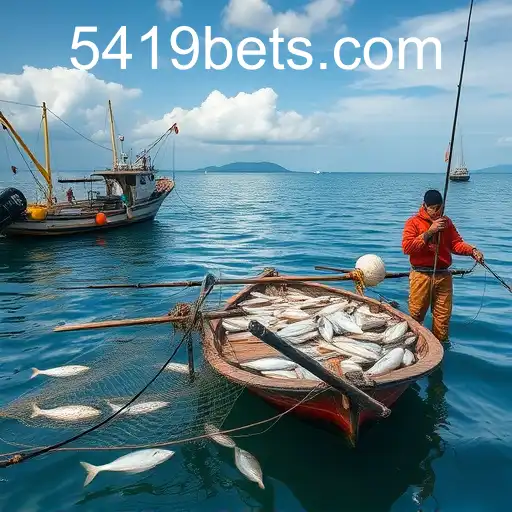
Traditional MethodsTraditional fishing methods continue to persist today, especially in regions where modern technological access is limited. Techniques such as spearing, hook and line fishing, or using traps and nets are still prevalent. These methods are often sustainable, preserving the local fish populations and echoing the ancestral ties to pesca.PV555
Modern InnovationsIn contrast, the industrialization of pesca has introduced a spectrum of innovations. Mechanized trawlers and sophisticated navigation systems have increased fishing capacities manifold. Sonar technology aids in locating fish schools, while automated gear ensures a higher rate of capture. While these developments enhance productivity, they also raise concerns about overfishing and environmental disruption.
The Role of Pesca in Global Economies
Pesca plays a pivotal role in the global economy, contributing significantly to the livelihood of millions around the world. The fishing industry is a key driver in numerous economies, primarily in coastal and island nations. From small-scale to large-scale operations, each aspect of the fishing supply chain influences employment, exports, and food security.
In recent times, commercial fishing has been complemented by aquaculture. Known as fish farming, this practice helps stabilize fish supplies while protecting select wild fish populations. Aquaculture continues to grow rapidly and now accounts for nearly half of the fish consumed globally.
Environmental Concerns and Sustainable Practices
The significant growth of our reliance on pesca has brought notable environmental concerns. Overfishing has led to the depletion of some fish stocks, threatening marine biodiversity. In response, there is an increasing push towards sustainable pesca, which aims to balance the ecological system without compromising fishing’s economic benefits.
Organizations worldwide advocate for measures such as sustainable quotas, protected marine areas, and promoting eco-friendly fishing gear to mitigate environmental damage. Engaging local fishers in creating and enforcing these initiatives is vital, benefiting communities while preserving marine life.SP BET
The Cultural Significance of Fishing
Beyond its economic and environmental impact, pesca holds cultural significance. In many cultures, fishing is woven into the social fabric, celebrated in festivals, rituals, and folklore. It embodies the values of patience, skill, and respect for nature.br368
Traditions vary widely: the Japanese celebrate the first fishing catch with the 'Datsu Mikue' ritual, while the Inuit peoples have storytelling traditions passed through generations that involve fishing tales and lessons.
The Future of Pesca
Looking forward, the future of pesca largely hinges on balancing the demands of human consumption with ecological stewardship. Technological advancements, such as machine learning and blockchain, are poised to help. They can improve tracking from ocean to plate, ensuring transparency and responsible sourcing.
Robotics and bioengineering could also revolutionize aquaculture, creating systems that reduce waste and pollution. These innovations may refine the role of pesca in the global food network.SP BET
The Connection to 5419.com
While exploring the vast and dynamic domain of pesca, platforms like 5419.com are becoming increasingly relevant. These platforms provide resources that connect enthusiasts and professionals, fostering a community centered around fishing's cultural, economic, and recreational aspects.OKP
They offer information on the latest trends, technologies, and techniques, ensuring that the community stays informed and engaged. Whether an old hand at fishing or a curious beginner, the resources and shared knowledge found here enhance the pesca experience.
Conclusion
Pesca is not just an occupation or pastime; it is an intrinsic element of human life, culture, and economies worldwide. As we navigate the challenges and opportunities of the future, the fusion of tradition with innovation will continue to define the way we engage with this timeless practice.